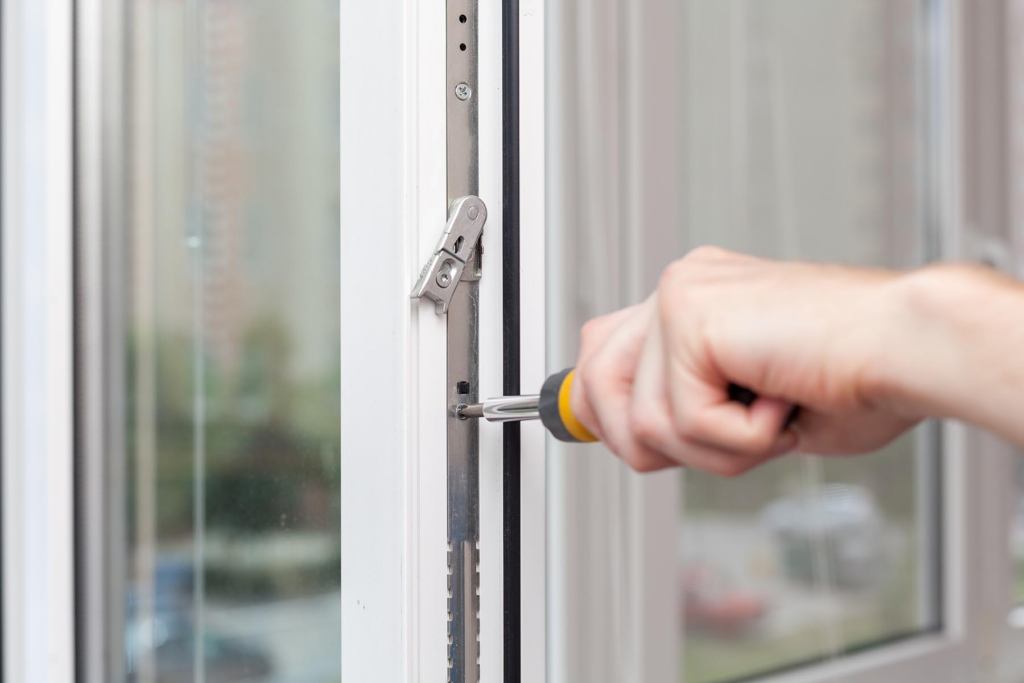
Window Inspection: Ensuring Safety, Energy Efficiency, and Longevity
Windows play an essential role in the overall performance of a structure, impacting everything from visual appeals to energy effectiveness. Among the numerous elements of home maintenance, window inspection is frequently ignored however is vital for ensuring durability, security, and decreased energy costs. Quality Window Doctor will check out the value of window inspections, comprehensive actions included, typical problems that may arise, and best practices for keeping windows.
Why Window Inspections Matter
Window assessments are crucial for numerous factors:
- Energy Efficiency: Poorly sealed or damaged windows can lead to significant heat loss or gain, leading to increased energy costs.
- Security: Inspecting windows assists identify structural weak points that might result in safety threats, such as falling panes or vulnerable access points for burglars.
- Visual Appeal: Clean and properly maintained windows contribute to the total visual appeal of a property.
- Preventative Maintenance: Regular evaluations can catch possible concerns before they become expensive repairs.
When to Schedule a Window Inspection
It is suggested to have a window inspection at least twice a year. The very best times for these inspections are:
- Spring: To assess any winter damage and prepare for warmer weather.
- Fall: To examine for any summer-related wear and tear before colder months.
Steps for Conducting a Comprehensive Window Inspection
A thorough window inspection includes numerous essential actions, which can be carried out by homeowners or professional inspectors.
1. Visual Inspection
- Check for Cracks: Look for any noticeable damage to the window frame, panes, and seals.
- Inspect the Caulking: Ensure that the caulking around the windows is intact and not peeling or breaking.
- Analyze the Screens: Screens ought to be devoid of holes and tears.
2. Operational Check
- Open and Close Windows: Ensure that all windows run efficiently and lock safely.
- Examine Hinges and Locks: Look for rust, rust, or any mechanical failure in hardware.
3. Energy Efficiency Evaluation
- Conduct a Test for Air Leakage: Use a lit incense stick near the window edges. If the smoke moves horizontally, there is likely an air leak.
- Check for Condensation: Look for wetness between double or triple-paned windows, suggesting seal failures.
4. Tidiness
- Tidy the Glass: Dirty windows impact visibility and looks. Wipe down the glass inside and out.
- Clear Frames and Sills: Remove any dirt, particles, or mold from window frames and sills.
5. Final Assessment
- Tape-record the condition of each window and keep in mind any areas that need instant attention or repairs.
Typical Window Problems and Solutions
| Problem | Description | Option |
|---|---|---|
| Air Leaks | Air goes into through cracks or spaces. | Re-caulking or weatherstripping. |
| Condensation | Wetness building in between panes. | Replace the window unit. |
| Challenging Operation | Windows do not open or close smoothly. | Oil hinges or change malfunctioning hardware. |
| Misting or Cloudiness | Cloudy look indicates seal failure. | Change the glass pane or entire window. |
| Decomposed Frames | Wood frames that have actually soaked up wetness. | Repair or change the affected wood. |
Best Practices for Window Maintenance
To extend the life of windows and improve performance, property owners need to follow these best practices:
- Regular Cleaning: Clean windows a minimum of two times a year using suitable glass cleaners.
- Inspect Regularly: Follow the seasonal schedule for examinations and address small concerns before they intensify.
- Maintain Caulking: Regularly check and reapply caulking as necessary to ensure that air and water do not permeate.
- Usage Weatherstripping: Install or change weatherstripping on moving elements to enhance energy effectiveness.
- Consider Professional Help: For severe concerns, hiring a professional window inspector may be prudent to ensure comprehensive examination and repairs.
FAQs about Window Inspection
Q1: How frequently should windows be inspected?
A: It is suggested to examine windows at least two times a year, preferably in spring and fall.
Q2: Can I inspect my windows myself?
A: Yes, property owners can perform visual evaluations and standard functional checks, but professional inspections are advised for more comprehensive examinations.
Q3: What are the indications that I need to change my windows?
A: Signs include significant air leakages, condensation between panes, extreme utility expenses, and noticeable damage such as rot or broken frames.
Q4: How much does it cost to have windows expertly checked?
A: The expense of a professional window inspection can differ extensively depending on location, property size, and inspector competence however typically ranges from ₤ 100 to ₤ 300.
Q5: What is the very best season for window repair work?
A: Repairs are most quickly made in moderate seasons such as spring or fall when temperature levels are comfy for working outside.
Window assessments work as a proactive method to maintaining among the essential features of a structure. By understanding the significance and processes behind these assessments, house owners can guarantee their windows stay safe, effective, and beautiful. Regular attention to window maintenance equates to much better energy performance, decreased long-lasting expenses, and improved security for the home. A little financial investment in window examinations today can lead to significant cost savings and comfort in the future.